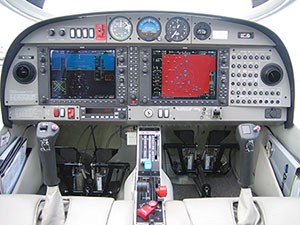
So, you’ve decided to chase your dream of flying?
Welcome to one of the most exciting journeys in the world! Becoming a pilot is both challenging and rewarding — but with the right preparation, motivation, and commitment, the sky really is the limit.
Let’s walk through the steps to get you airborne.
Step 1: Know Your Flight Path — Types of Pilot Certificates
Before you even set foot in a cockpit, it’s worth knowing the different pilot certificates and what they allow you to do:
Private Pilot Certificate (PPL) – The most popular choice. Fly for fun, carry passengers, but you can’t be paid.
Commercial Pilot Certificate (CPL) – Required to get paid to fly. A stepping stone to many aviation careers.
Airline Transport Pilot Certificate (ATP) – The highest level, needed to captain an airliner.
Sport Pilot Certificate (SPL) – Fewer training hours and limitations; great for recreational flying in light-sport aircraft.
Recreational Pilot Certificate (RPL) – Similar to SPL but less common; limited privileges.
Step 2: Meet the Basic Requirements (U.S.)
Age: 16 to solo, 17 for PPL, 18 for CPL, and 23 for ATP (or 21 for a restricted ATP).
Language: You must read, speak, write, and understand English.
Medical: Pass an FAA medical exam. Third-class is enough for PPL, second-class for CPL, first-class for ATP.
Step 3: Find the Right Flight School or Instructor
Choosing the right school can make or break your training experience. Look for:
Location: Convenient, but also realistic for your flying goals.
Fleet: Well-maintained aircraft suited to your needs.
Instructors: Experienced, approachable, safety-focused.
Ground School Options: Online, in-person, or hybrid — choose what fits your learning style.
Pro tip: Visit the school, meet the instructors, and take a discovery flight before you commit.
Step 4: Take a Discovery Flight
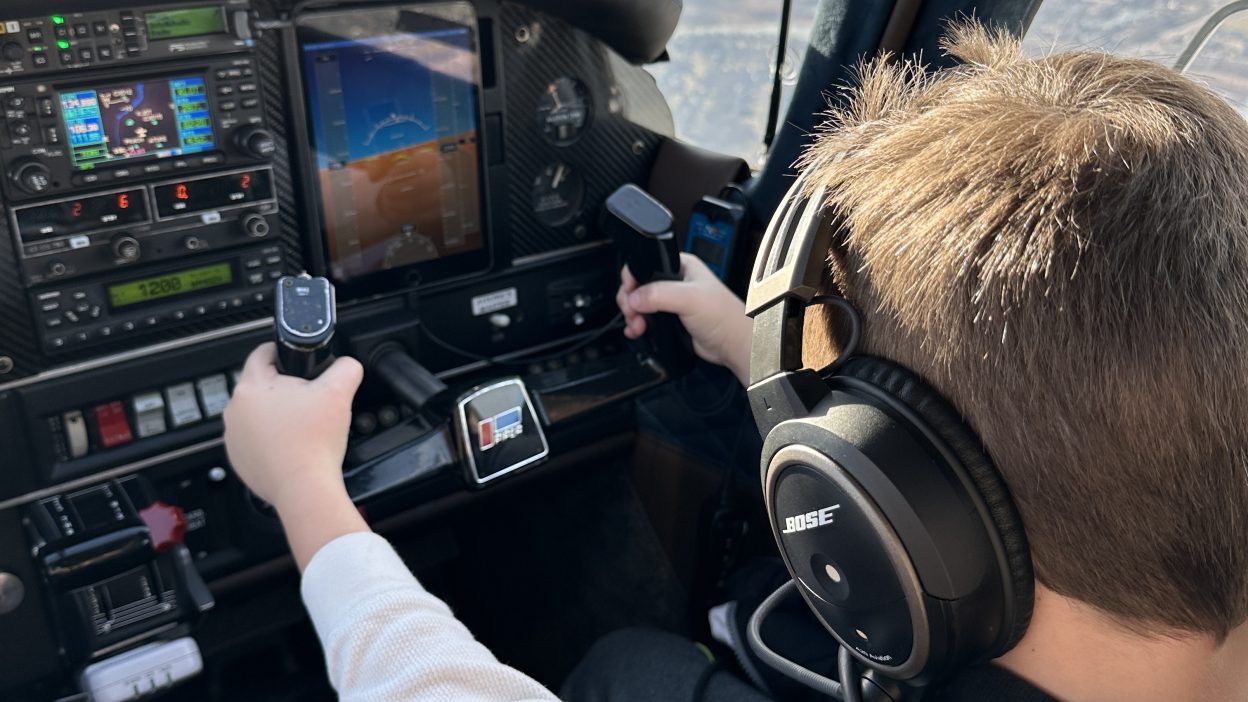
This is a trial lesson where you get to sit in the pilot’s seat with a certified instructor.
It’s the best way to find out if flying feels like your calling — and it’s a thrill you’ll never forget.
Step 5: Begin Ground and Flight Training
Ground School: Learn the theory — weather, navigation, aerodynamics, regulations.
Flight Training: Learn to handle the aircraft. FAA minimum for PPL is 40 hours, but most students need 60–70.
Step 6: Pass the FAA Written Knowledge Test
A multiple-choice exam covering all the ground school subjects. Many students take it midway through flight training to focus on flying afterward.
Step 7: Pass the Checkride
The final step — an oral exam plus a flight test with an FAA examiner. Nail both parts, and you’ll walk away with your pilot certificate in hand.
Step 8: Keep Climbing
A pilot certificate is just the beginning. You can add:
Instrument Rating – Fly in more challenging weather.
Multi-Engine Rating – Fly larger, more powerful aircraft.
Commercial Rating – Get paid to fly.
How Much Will It Cost?
For a PPL in the U.S., expect $12,000–$20,000, with some schools in high-cost areas charging $25k or more. The final number depends on aircraft rental rates, instructor fees, and how quickly you progress.
Tips for Success
Fly often: At least once a week to retain skills.
Ask questions: No question is too small in aviation.
Study ahead: Come to lessons prepared.
Stay healthy: Good health means better flying.
Earning your pilot certificate takes dedication, persistence, and a love for learning — but the reward is unlike anything else. If you’re ready, start by booking a discovery flight and seeing where the journey takes you.